


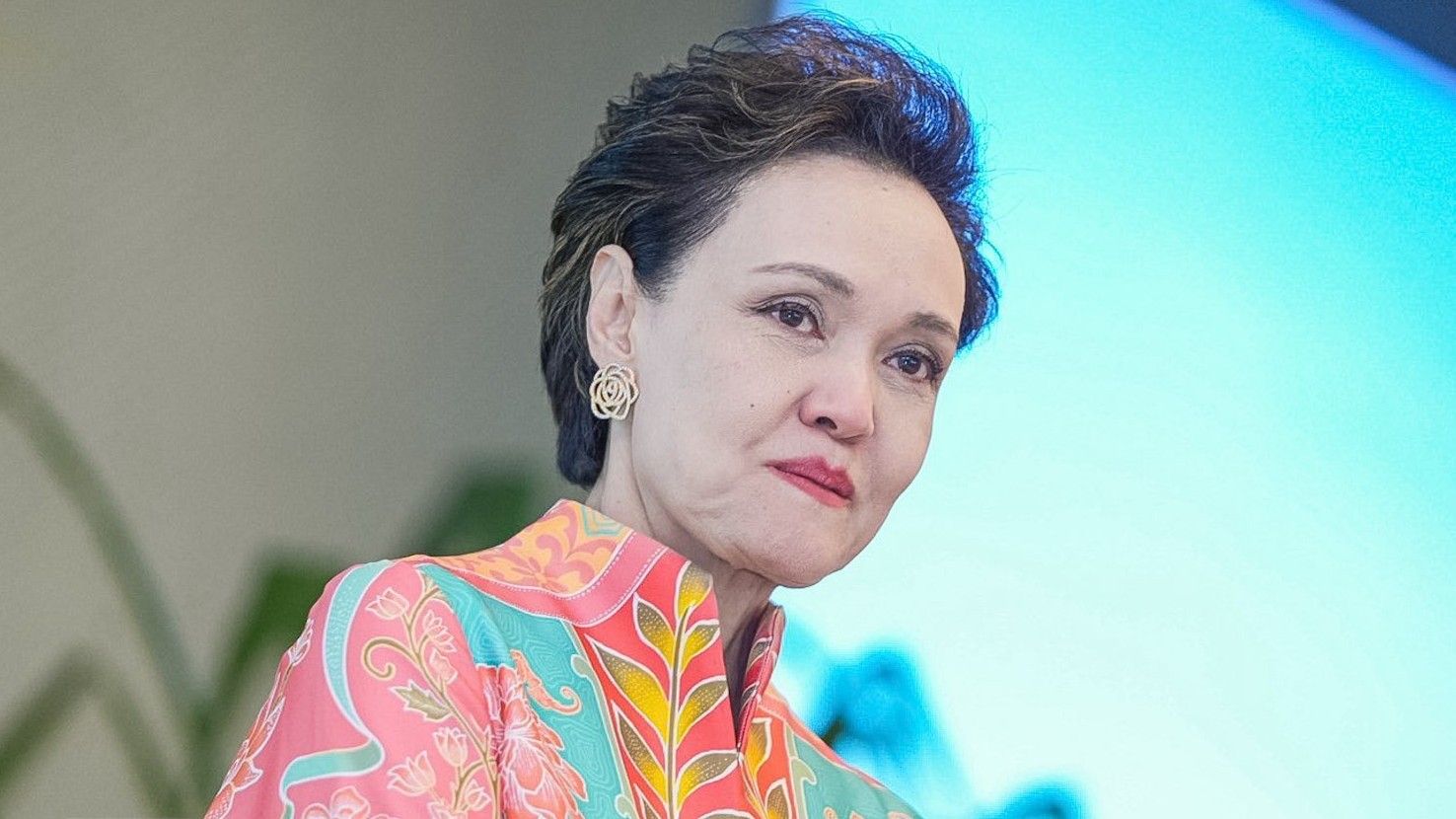
BANGKOK — Thailand needs to look beyond simply increasing export volumes and use trade as a tool to create value, open new opportunities and support sustainable economic growth, Deputy Prime Minister and Commerce Minister Suphajee Suthumpun said on August 15, 2026.
She said Thailand faces a rapidly changing global environment shaped by geopolitics, artificial intelligence and new technologies, trade barriers, sustainability concerns and shifting global supply chains.
As the world moves toward a multipolar economy, Thailand must adjust its trade strategy around three principles: openness, diversification and balance.
Thailand should remain open to partnerships with all countries while reducing its dependence on a small number of export markets. Currently, about one-third of Thailand's export value comes from just two major markets, Suphajee said.
“We need to remain open, diversify our markets and maintain balance. Thailand is a medium-to-small country compared with major powers, so we need to create choices for ourselves and work with everyone,” she said.
Diversifying markets beyond FTAs
Suphajee said Thailand must accelerate efforts to develop new trade opportunities through free trade agreements (FTAs), trade negotiations, trade missions and other forms of cooperation.
Opening new markets should not depend solely on FTAs, which can take years to negotiate. Thailand needs to use a broader range of tools to diversify its markets and build a wider trading base, she said.
Thailand has several strengths that could support this strategy, including agriculture and food, manufacturing, next-generation industries such as advanced automotive technology and semiconductors, tourism, healthcare, culture and the creative economy.
Its strategic location at the heart of Asia also gives Thailand the potential to connect trade routes from north to south and east to west while playing a larger role in global supply chains.
Three gaps Thailand needs to close
Suphajee identified three major gaps that need to be addressed.
The first is the Value Gap — shifting from competing primarily on volume toward creating greater value through brands, intellectual property, design, standards and customer experience.
The second is the Market Gap — finding new markets, distribution channels and engines of economic growth.
The third is the Participation Gap — ensuring that small and medium-sized enterprises can participate more fully in economic growth.
SMEs currently account for about 35% of Thailand's GDP, a share that has remained largely unchanged for years.
Thailand has around 30,000 registered exporters, including approximately 7,000 large companies and 22,000 SMEs and MSMEs. However, smaller businesses account for only about 12% of the country's export value, suggesting significant room to expand their role in international trade.
Four priorities for unlocking growth
Suphajee proposed a strategy built around four areas:
1. Unlocking Markets
Reduce dependence on existing markets and accelerate access to new ones through FTAs, trade negotiations, trade missions and other partnerships.
2. Unlocking Values
Move from asking “What does Thailand have?” to asking “What does the world want?” through a market-led production approach. Thai goods and services should respond more directly to global demand while generating greater value through brands, intellectual property, design, standards and experience.
3. Unlocking Opportunities
Expand opportunities for SMEs, MSMEs and smaller businesses by giving them access to skills, knowledge and necessary support. The objective should not simply be to protect smaller businesses, but to help them become more competitive, grow and contribute more to national wealth.
4. Unlocking Trust and Resilience
Build partnerships with trading partners based on mutual interests rather than one-sided benefits. Thailand should strengthen trust and economic partnerships to navigate uncertainty and changing supply chains.
Suphajee said trust is one of the most valuable assets in building economic relationships, particularly at a time when countries are seeking reliable partners.
Thailand should seek to become an integral part of its trading partners' supply chains and economic security, she said, moving relationships beyond buying and selling toward long-term partnerships.
From strategy to measurable results
To turn the strategy into concrete action, the government plans to strengthen cooperation between the public and private sectors in four areas: the creative and visitor economy, agriculture and food security, communities and SMEs, and international trade.
The approach will focus on removing barriers, working as a single team, shifting from volume to value, improving coordination and establishing measurable outcomes.
The government also plans to identify “Quick Big Wins” that can deliver results within six to 12 months, alongside longer-term initiatives aimed at restructuring the economy and creating new engines of growth.
Each initiative will have clear priorities, responsible agencies and partners, timelines, milestones and key performance indicators.
Suphajee said Thailand must balance immediate economic problems with structural reforms needed to capture long-term opportunities, avoiding short-term measures that could undermine the country's future prospects.
The ultimate goal, she said, is to enable Thailand to withstand current global challenges while building new capabilities and a more sustainable model of economic growth.
www.facebook.com/tcijthai
Tags


